0 Items
No products in the cart.

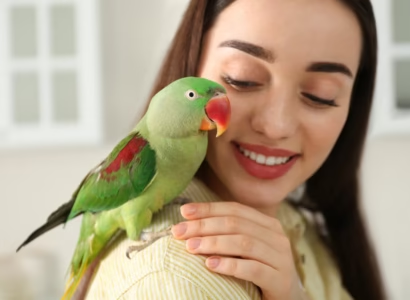
What Are Mineral Blocks? Mineral blocks are compact supplements designed to provide essential minerals that pet birds need for strong bones, healthy beaks, and overall wellness. While seeds and pellets form the bulk of a bird’s diet, they don’t always supply every mineral required for optimal health. Supporting Bone and Beak Health Birds rely heavily on calcium and other minerals to maintain strong skeletal structures and properly formed beaks. Mineral blocks help prevent deficiencies that can lead to: Brittle bones Beak deformities Weak egg shells in breeding birds Chewing on mineral blocks also helps naturally wear down beaks, reducing the need for manual trimming. A Natural Source of Enrichment Birds love to peck, chew, and explore. Mineral blocks satisfy this instinct while also providing nutritional benefits. The act of gnawing helps prevent boredom and encourages healthy, natural behaviors—especially in birds that spend most of their time in cages. Digestive Benefits Some mineral blocks contain grit or trace minerals that aid digestion. These components help birds break down food more efficiently, particularly seed-based diets. While not all bird species require grit, mineral blocks can still offer digestive support when formulated appropriately. Ideal for a Variety of Bird Species Mineral blocks are suitable for many pet birds, including: Parakeets and budgies Cockatiels Canaries and finches Lovebirds and small parrots Larger parrots may also benefit, though they often need additional calcium sources. Easy to Use and Long-Lasting Most mineral blocks attach easily to cage bars, making them accessible at all times. Birds self-regulate their intake, using the block as needed. Because they last a long time, mineral blocks are a simple, low-maintenance way to support long-term health. Choosing the Right Mineral Block When selecting a mineral block, look for options made with safe, bird-friendly ingredients and no artificial dyes. Quality matters, especially for birds that rely on mineral blocks as a regular supplement. Final Thoughts Mineral blocks play an important role in a balanced bird care routine. They provide essential nutrients, support natural behaviors, and contribute to overall health and longevity. Adding a mineral block to your bird’s habitat is a small step that can make a big difference.

Why Water Care Is the Foundation of a Healthy Aquarium Water is the single most important factor in any aquarium. Fish, plants, and beneficial bacteria all depend on clean, balanced water to survive and thrive. Poor water quality is one of the most common causes of illness and death in home aquariums, but with proper care, it’s also one of the easiest problems to prevent. Water Quality Affects Everything In an aquarium, waste from fish, uneaten food, and decaying plant matter all break down into harmful substances like ammonia and nitrites. Without proper water care, these toxins can quickly build up, stressing fish and weakening their immune systems. Maintaining healthy water parameters helps fish: Breathe efficiently Maintain vibrant coloration Avoid stress-related diseases Live longer, healthier lives The Role of the Nitrogen Cycle A stable aquarium relies on beneficial bacteria that convert toxic ammonia into less harmful nitrates. This process, known as the nitrogen cycle, is essential for all aquariums—especially new ones. Proper water care supports this cycle by: Avoiding over-cleaning or replacing too much water at once Using water conditioners to remove chlorine and chloramine Monitoring ammonia, nitrite, and nitrate levels Regular Water Changes Matter Even in well-filtered aquariums, regular partial water changes are necessary. Changing 10–25% of the water weekly or biweekly helps remove excess nitrates and replenishes essential minerals. Skipping water changes can lead to algae blooms, cloudy water, and stressed fish—even if the tank “looks clean.” Temperature, pH, and Stability Fish are sensitive to sudden changes in temperature and pH. Consistent water care helps maintain stable conditions, which reduces stress and supports natural behaviors like feeding and breeding. Using heaters, thermometers, and test kits allows aquarium owners to catch small problems before they become serious. Water Conditioners and Supplements Tap water often contains chlorine or chloramine, which are harmful to fish and beneficial bacteria. Water conditioners neutralize these chemicals instantly, making tap water safe for aquarium use. Some aquariums may also benefit from: Mineral supplements Beneficial bacteria boosters Algae-control solutions These tools help recreate a balanced, natural environment. Clear Water Isn’t Always Clean Water An aquarium can look crystal clear and still have dangerous water chemistry. Regular testing is the only way to truly know what’s happening inside the tank. Test kits provide valuable insight and help prevent problems before fish show signs of distress. Final Thoughts Proper water care is the foundation of every successful aquarium. With regular testing, consistent water changes, and the right products, aquariums can remain stable, beautiful, and healthy for years to come.

Are Hedgehogs Good Pets? Hedgehogs have become increasingly popular as exotic pets, thanks to their unique appearance and curious personalities. While they’re not for everyone, hedgehogs can be rewarding companions for owners who understand their needs and behavior. Understanding Hedgehog Personality Hedgehogs are solitary, nocturnal animals. Unlike dogs or cats, they’re not naturally social and often prefer quiet environments. Many hedgehogs start out shy or defensive, curling into a ball when startled. With patience and gentle handling, however, they can become more comfortable and even show affection in their own subtle ways. Each hedgehog has a distinct personality—some are curious explorers, while others remain more reserved. Housing and Habitat Requirements A proper enclosure is essential for a healthy hedgehog. They need: A spacious, well-ventilated enclosure Solid flooring (wire floors can hurt their feet) Hiding spots for security An exercise wheel designed specifically for hedgehogs Temperature is especially important. Hedgehogs require a warm environment, typically between 72–80°F. Temperatures that are too cold can cause them to attempt hibernation, which is dangerous in captivity. Diet and Nutrition Hedgehogs are insectivores. A balanced diet usually includes: High-quality hedgehog or insectivore food Occasional insects like mealworms or crickets Limited fruits and vegetables as treats Fresh water should always be available. Overfeeding fatty foods can lead to obesity, so portion control is important. Handling and Socialization Hedgehogs require consistent, gentle handling to become accustomed to humans. This process takes time—sometimes weeks or months. They’re not ideal pets for young children, as they can be easily stressed and may poke with their quills when frightened. Calm, patient owners tend to have the best success forming a bond. Maintenance and Health Care Hedgehogs are relatively low-maintenance compared to many pets, but they still require regular care. This includes: Cage cleaning Nail trimming Occasional baths Routine vet visits with an exotic-animal veterinarian Before getting a hedgehog, it’s important to confirm that exotic vet care is available in your area. Is a Hedgehog Right for You? Hedgehogs are best suited for people who: Prefer low-noise pets Are comfortable with nocturnal animals Enjoy observing unique behaviors Can provide consistent care and proper temperature control They’re not cuddly in the traditional sense, but for the right owner, hedgehogs can be fascinating and rewarding companions. Final Thoughts Hedgehogs are unique, charming pets that require thoughtful care and patience. If you’re willing to meet their specific needs, they can make an excellent addition to your home—one full of personality, curiosity, and quiet charm.

Why Cat Treats Are Actually Good for Your Cat Cat treats often get a bad reputation as “junk food,” but when chosen and used correctly, they can be a valuable part of your cat’s daily routine. Beyond being delicious, treats can support training, bonding, dental health, and even nutrition. The key is understanding why treats matter and how to use them responsibly. Strengthening the Human–Cat Bond Cats may be independent, but they still form strong emotional connections with their humans. Offering treats is one of the simplest ways to build trust and positive associations. When your cat learns that good things happen around you—like snack time—they’re more likely to feel safe, relaxed, and affectionate. Treats are especially useful for shy or newly adopted cats. A small, tasty reward can help them warm up faster and feel comfortable in a new environment. Training and Behavior Reinforcement Yes, cats can be trained! Treats are one of the most effective tools for reinforcing positive behavior. Whether you’re teaching your cat to use a scratching post, come when called, or tolerate nail trims, treats act as immediate positive feedback. Unlike punishment (which often confuses cats), treats encourage repeat behavior. The result? A happier cat and fewer frustrating habits. Nutritional Benefits (When You Choose Wisely) Not all treats are created equal. High-quality cat treats often include beneficial ingredients such as: High-protein meats that support muscle health Omega fatty acids for skin and coat health Vitamins and minerals that complement your cat’s diet Some treats are specifically formulated for hairball control, digestive support, or weight management. When used in moderation, these treats can add functional benefits—not just calories. Dental and Oral Health Support Certain cat treats are designed to help reduce plaque and tartar buildup. Their texture encourages chewing, which can support better oral hygiene over time. While treats don’t replace brushing or vet care, they can be a helpful addition to a dental care routine. Mental Stimulation and Enrichment Treats can be used in puzzle toys, treat balls, or interactive games to keep your cat mentally engaged. This type of enrichment helps prevent boredom, reduces stress, and can even curb destructive behavior—especially for indoor cats. Moderation Is Key Treats should make up no more than 10% of your cat’s daily caloric intake. Overfeeding can lead to weight gain and health issues, so portion control matters. Think of treats as a tool and a reward—not a meal replacement. Final Thoughts Cat treats aren’t just indulgences—they’re tools for training, bonding, enrichment, and even health support. By choosing high-quality options and using them thoughtfully, treats can play a positive role in your cat’s overall well-being.

Written by Keegan Avery As temperatures drop, many pet owners start wondering the same thing: does my dog really need a sweater? The answer depends on your dog’s breed, size, coat type, and lifestyle. Dog sweaters and winter clothing aren’t just about looking cute — they can play an important role in keeping your pet healthy, comfortable, and safe during colder months. In this guide, we’ll walk you through how to choose the right dog sweater, how to measure your dog properly, and what materials work best — so you can keep your furry friend warm without sacrificing comfort or style. Do Dogs Really Need Sweaters? Not all dogs need extra layers, but many absolutely benefit from them. Dogs most likely to need sweaters include: Small breeds (Chihuahuas, Yorkies, Toy Poodles) Short-haired breeds (Greyhounds, Boxers, Pit Bulls) Senior dogs Puppies Dogs with health conditions or low body fat Breeds with thick double coats (like Huskies or Malamutes) usually don’t need sweaters unless conditions are extreme. However, cold, wind, rain, or snow can still affect any dog during outdoor walks. A properly fitted dog sweater helps: Retain body heat Reduce shivering and muscle stiffness Protect against cold wind Improve comfort during winter walks How to Measure Your Dog for the Perfect Fit One of the most common mistakes pet owners make is choosing the wrong size. A sweater that’s too tight can restrict movement, while one that’s too loose won’t keep your dog warm. You’ll need three measurements: 1. Neck Circumference Measure around the base of your dog’s neck where a collar naturally sits. 2. Chest (Girth) Measure the widest part of your dog’s chest, just behind the front legs. This is the most important measurement. 3. Back Length Measure from the base of the neck to the start of the tail. 💡 Tip: Always size up if your dog is between sizes. Custom-fit dog sweaters are ideal because they’re made specifically for your dog’s proportions, ensuring maximum comfort and warmth. Choosing the Right Material for Dog Sweaters The fabric of your dog’s sweater matters more than most people realize. Different materials serve different purposes depending on climate and activity level. Best materials for dog sweaters: Fleece Lightweight and warm Soft and non-irritating Great for everyday wear and mild winters Wool Excellent insulation Breathable and moisture-resistant Best for very cold climates Not ideal for dogs with sensitive skin Cotton Blends Breathable and comfortable Best for cool (not freezing) temperatures Easy to wash Knitted or Acrylic Fabrics Stylish and warm Ideal for casual wear Look great for custom designs When choosing a sweater, always prioritize comfort, stretch, and breathability over style alone. Sweater vs. Coat: What’s the Difference? Many pet owners confuse dog sweaters with dog coats, but they serve slightly different purposes. Dog Sweaters Lightweight Flexible Great for indoor wear and short walks Ideal for mild to moderate cold Dog Coats Heavier and often waterproof Designed for extreme weather Best for snow, rain, and long outdoor adventures For most dogs, a sweater is perfect for everyday winter use, especially when combined with limited outdoor exposure. Why Custom Dog Sweaters Are Worth It Custom dog sweaters offer advantages that standard store-bought options can’t match. Benefits of custom dog sweaters: Perfect fit for unique body shapes No awkward bunching or slipping Personalized designs and colors Better comfort for active dogs Ideal for breeds that don’t fit standard sizing Custom sweaters are especially helpful for: Long-bodied dogs (Dachshunds, Corgis) Broad-chested breeds Dogs between standard sizes A well-fitted sweater allows your dog to move freely while staying warm — which means happier walks and fewer complaints. Common Mistakes to Avoid When Buying Dog Clothing To make sure your dog stays safe and comfortable, avoid these common mistakes: Choosing based on looks instead of fit Ignoring material quality Buying sweaters that restrict leg movement Leaving sweaters on for too long indoors Not checking for skin irritation Always remove sweaters indoors if your home is warm, and regularly check your dog’s skin for redness or chafing. How to Get Your Dog Used to Wearing a Sweater Some dogs love sweaters instantly — others need time. Tips for a smooth transition: Let your dog sniff the sweater first Start with short wear periods Use treats and praise Make sure it’s not too tight Avoid forcing it on Most dogs adapt quickly once they realize the sweater keeps them warm and comfortable. Final Thoughts: Keeping Your Dog Warm the Right Way Dog sweaters are more than just a fashion statement — they’re a practical way to protect your pet from cold weather. By choosing the right size, material, and fit, you can ensure your dog stays cozy, comfortable, and happy all winter long. Whether you’re looking for everyday warmth or a personalized look, a well-designed dog sweater makes all the difference. 👉 Explore custom dog sweaters designed for comfort, warmth, and style at PetsProStore.com — because your pet deserves the perfect fit